
Village Streets in the Morning — Where the Day Begins Publicly
In Tamil villages, the day does not begin behind closed doors. It begins on the street. Long before offices open or buses arrive, village streets wake collectively. Doors open ear…

Community essays, reviews, recipes, event reports and cultural features in English & தமிழ் — thoughtful, original and grounded in real Tamil lives.

Shobha curates the VividTamil blog — from film reviews and song features to food stories, festival notes and community reports. Every article is edited for clarity, fair tone and accurate sourcing, with bilingual notes where useful so both Tamil and non-Tamil readers can follow along.
View full profileThe VividTamil Blog is the long-form heart of the site — a place where reviews, recipes, festival notes and community stories are treated with patience. While dedicated section pages give quick overviews, the blog offers space to breathe: interviews with local creators, essays that unpack the cultural context behind a film or song, and practical guides that document lived experience in Tamil households, towns and diaspora communities.
We look for three things in every article: clarity, context and careful sourcing. Clarity means that even a reader who has never visited Tamil Nadu should be able to follow the narrative. Context means the piece explains why something matters — how a movie fits into a director’s body of work, how a street food dish became iconic in a particular bus stand, or how a new festival practice has grown over the last decade. Careful sourcing means that factual claims, especially around health, money or public policy, are either linked to credible references or clearly presented as personal experience rather than universal advice.
The blog hosts multiple formats. Some posts are short and sharp — a quick review, a personal reflection, a festival snapshot. Others are detailed write-ups: recipes with ingredient lists and storage tips, behind-the-scenes reports from film shoots, or community profiles that trace a tradition through several generations. When readers share family recipes or memories, editors first confirm that the contributor has permission to share private photos and names, and that sensitive details are either anonymised or removed.
Articles that touch medical or financial topics are handled gently. A grandmother’s kashayam recipe might sit alongside a reminder to talk to a doctor for chronic health issues. A money-saving tip around festival shopping will be framed as one person’s practice, not as financial advice. This careful framing helps the blog live up to modern expectations for Experience, Expertise, Authoritativeness and Trustworthiness without losing the warmth of lived stories.
Authors include core editors like Shobha Shankar, guest contributors and community storytellers. When a post emerges from a workshop, a temple event or a local initiative, we try to include at least one original photo — a kolam in front of a hall, a handwritten recipe page, a workshop poster with personal details blurred. These pieces of visual evidence show that the content is grounded in actual events rather than re-written from elsewhere on the internet.
For readers, the blog aims to be practical and not overwhelming. Each post carries a clear title, date, author line and short excerpt in the listing. Tags group content into themes such as Movies, Music, Food, Festival and Community. You can quickly scan the grid to find something that matches your mood, or dive deeper by exploring dedicated sections like Tamil Movies, Songs and Tamil Foodies. When a story spans multiple topics — for example, a film screening at a temple festival with a special prasad — we cross-link posts so that one click leads naturally to another.
Comments are moderated with a simple rule: strong opinions are welcome; personal attacks are not. Readers are encouraged to disagree with a review, share alternative interpretations or add their own memories. However, we remove comments that target individuals or groups, share private contact details, or repeat misinformation that has already been corrected. If a post itself is updated — because new information emerged or an error was spotted — we add a small update note so that returning readers can see what changed and why.
The blog is also where we document VividTamil’s own learning journey. When the team experiments with a new format, attends a film festival, or runs a local workshop, we often publish a small “editor’s diary” style piece: what was tried, what worked, and what the next iteration might look like. This transparency helps build trust slowly and honestly, instead of pretending that every experiment is a perfect success from day one.
Advertising, where present, is kept separate from editorial content and clearly marked. VividTamil does not sell paid “reviews” disguised as independent opinion. If a brand collaboration or sponsorship is involved, it will be labelled accordingly so that readers can bring their own judgement to the piece. Our Privacy Policy and Terms of Use describe how data is handled and what you can expect as a reader, commenter or contributor.
தமிழில்: இந்த வலைப்பதிவு பகுதி, சாதாரண செய்தி புதுப்பிப்புகள் அல்ல. இது அனுபவக் குறிப்புகள், விமர்சனங்கள், சமையல் குறிப்புகள், திருவிழா அனுபவங்கள், சமூகக் கதைகள் ஆகியவற்றை அமைதியாக வாசிக்கக் கூடிய இடம். ஒவ்வொரு கட்டுரைக்கும் எழுத்தாளர் பெயர், தேதி, முன்னோட்டம் மற்றும் தேவையான இடங்களில் ஆதார குறிப்புகள் ஆகியவை தெளிவாகக் கொடுக்கப்படும். வாசகர்களும் தங்கள் கதைகளைப் பகிர விரும்பினால், முதலில் Contact பக்கம் மூலம் எங்களை அணுகலாம்; வழிகாட்டுதலுக்கு பின்பு தங்கள் கட்டுரைகளை அனுப்பலாம்.
Every town has that one theatre where the paint has faded but the memories never do — where people still remember exactly which Rajinikanth film they watched in which row.
On the blog, theatre stories go beyond nostalgia. We document how projection changed from film reels to digital, how ticket pricing affects working families, and how fan associations organise celebrations and charity drives around big releases. These pieces combine observation, interviews and photographs so that a reader in another country can still feel the electric silence just before a punch dialogue lands.
By writing about these spaces with respect, we give credit to the projectionists, ticket staff, cleaners and stall vendors who keep the experience alive — people who rarely get mentioned but who shape the way cinema feels at ground level.
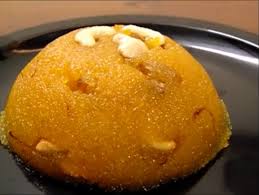
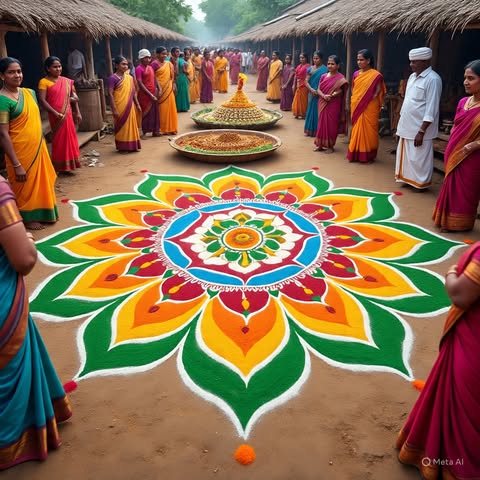
Some of the most loved posts on VividTamil are written not from studios but from kitchens and courtyards: how jaggery is chosen, how the first overflowing pot is timed with the family’s prayers, how elders pass on tips that never appear in glossy cookbooks.
The blog treats these stories as cultural archives. When a contributor shares a festival recipe, we ask for the background: which village did this method come from, who first taught it, what changes were made when the family moved to a city or abroad. Over time, even a simple sakkarai pongal recipe becomes a record of migration, adaptation and continuity.
Photos of old steel tins, brass urulis and handwritten Tamil recipe notes become part of the story. They show that tradition is not abstract; it lives in cupboards, shelves and family conversations.
Sign up to receive highlights, new articles and cultural guides from VividTamil directly in your inbox. No spam, just carefully selected stories.
In Tamil villages, the day does not begin behind closed doors. It begins on the street. Long before offices open or buses arrive, village streets wake collectively. Doors open ear…

Bus stands in Tamil Nadu operate as more than transport points. They are spaces of waiting, observation, and informal exchange. People arrive early not only to catch buses but to …

Tea shops across Tamil Nadu operate as informal decision-making spaces. They do not pass laws, but they shape opinion. Discussions here influence voting, alliances, and social att…

Evening walks in Tamil towns serve as social resets. After work hours, streets transform into walking circuits. The act itself is less about exercise and more about presence.Famil…

Tamil survives not because it is ancient, but because it is used. Not ceremonially, not symbolically — but daily, imperfectly, repeatedly. While discussions around language preser…

In many Tamil villages, the day does not end with sunset. It reorganises itself. As work winds down and heat recedes, people begin moving outward — from homes to shared spaces. Am…

The local tea kadai is not neutral space. Politics, cinema, cricket, prices — everything is discussed here with urgency and familiarity.These conversations rarely end in agreement…

At night, small towns slow down — except autos. Drivers know every shortcut, every house, every story.Rides often turn into conversations: about children’s studies, rising costs, …

In Tamil Nadu, festivals are not marked only by dates on a calendar. They are sensed — through sound, movement, preparation, and repetition. Long before the official day arrives, …

The Tamil family meal has never been just about food. It is about timing, hierarchy, conversation, and silence. In earlier generations, meals followed strict order — elders first,…

As the sun drops, Chennai steps outside. Beaches fill not with tourists, but with locals — office workers loosening collars, children racing waves, elders walking slowly along fam…

Train journeys in Tamil Nadu are less about speed and more about continuity. Stations arrive with predictable rhythm — vendors calling out, passengers exchanging glances, landscap…

Each morning, before traffic and messages, kolams appear quietly at doorsteps. Some are simple dots and lines; others elaborate patterns passed down through practice, not instruct…

The first sound in many Tamil towns is not traffic, but a bell. Sometimes it is faint, carried by wind; sometimes it is sharp and close, ringing from the small temple at the stree…

Before malls and brands, festival shopping happened on streets. Temporary stalls, bright lights, crowded lanes — selection depended on patience and negotiation.Even today, many fa…

Every January, Chennai transforms into a city of readers. The Chennai Book Fair is noisy, crowded and sometimes chaotic — yet deeply serious. Parents pull children by the hand fro…

Filter coffee is not just a beverage; it is a process. From boiling milk to tapping the metal filter, every step carries habit. காலை காபி இல்லாமல் சில வீடுகளில் நாள் தொடங்காது.In …

Long before social media, Tamil villages communicated through loudspeakers. Festival announcements, lost items, devotional songs — everything travelled through sound. கிராமத்து ஒல…

For Tamil parents abroad, language preservation is rarely dramatic. It happens in small choices: insisting on Tamil at dinner, playing songs instead of cartoons, correcting gently…

Watching a film in a Tamil theatre used to follow unspoken rules. Clapping, whistling, silence during songs — each had meaning. Today, multiplex culture changes these norms. Phone…

VividTamil opens its doors as a small but serious experiment: can a community-driven site, run on simple tools and honest editorial standards, document Tamil life in a way that fe…

Madurai Sweet Week is not just a row of stalls selling laddus and mysore pak; it is a full sensory map of the city’s sweet traditions. Walk in from the main road and the first thi…

Multiplexes may dominate urban news, but much of Tamil Nadu still watches films in improvised community spaces: school grounds, marriage halls, temple streets transformed for an e…

There is a special kind of silence that appears in a Tamil home just before an old song starts playing. Someone has finished describing a memory — a cinema hall, a train journey, …

Chennai’s street food festivals are not just about eating; they are about temperature, smell and சத்தம் — a constant mix of footsteps, sizzling oil, vendors calling out offers and…