


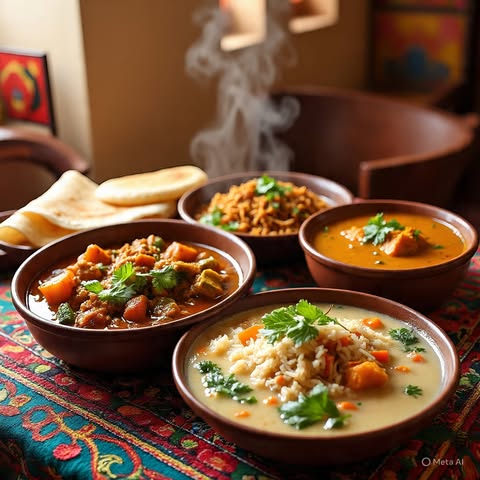
Tamil survives not because it is ancient, but because it is used. Not ceremonially, not symbolically — but daily, imperfectly, repeatedly. While discussions around language preservation often focus on pride and identity, survival happens elsewhere: in kitchens, streets, schools, buses, and phone calls.
Most Tamil speakers do not consciously protect the language. They simply use it. They mix it with other languages, shorten words, adapt pronunciations. Purists may object, but this flexibility is precisely why Tamil endures. Languages that resist change often retreat into formality.
Everyday Tamil is functional. It handles emotion efficiently. People switch into Tamil when expressing frustration, affection, humour, or intimacy. Even bilingual speakers instinctively return to Tamil during moments of intensity. This emotional anchoring cannot be manufactured.
Children learn Tamil not through grammar lessons alone, but through context. Commands, jokes, scolding, praise — language enters through use. Even partial fluency allows participation. Total correctness is not required for belonging.
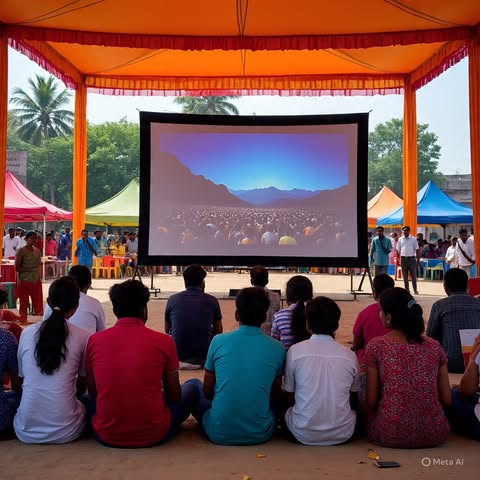
Public spaces reinforce this survival. Markets operate in Tamil regardless of signage. Transport conversations default to Tamil. Even when institutions function bilingually, informal interaction remains rooted in the language.
Media plays a role, but not always as expected. Films, songs, and television introduce slang and shifts. Critics often view this as dilution. But these changes keep the language current. A language frozen in purity becomes museum artifact.
Diaspora Tamil faces greater pressure. Without environmental reinforcement, usage becomes intentional. Families negotiate constantly — which language at home, which with friends, which emotions deserve which words. Success is measured not by accent, but by comfort.
Formal efforts to preserve Tamil — schools, associations, literature — are valuable. But they are not sufficient alone. Language survives because ordinary people continue to speak it even when alternatives exist.
Technology both threatens and supports this process. Autocorrect alters spelling. Voice messages preserve spoken Tamil. Emojis supplement expression. None of these replace language; they reshape how it travels.
The fear of language loss is understandable. But panic often misdiagnoses the issue. Tamil does not need guarding as much as it needs usage. As long as people continue to choose Tamil — even inconsistently — it remains alive.
VividTamil documents everyday language not to judge its correctness, but to observe its resilience. Survival is not dramatic. It is repetitive. And repetition, in language as in culture, is strength.

Comments / கருத்துக்கள்
No comments yet. Be the first to comment!
Leave a comment