Why we cover Tamil cinema — craft, context and cultural conversation
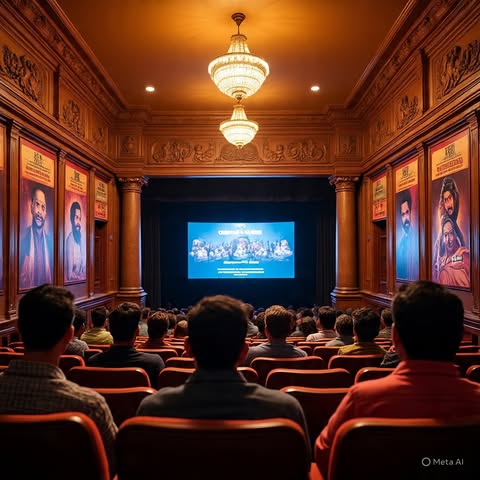
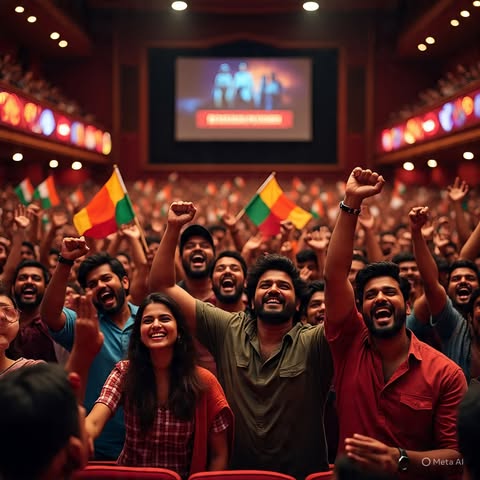
Tamil cinema is not only an entertainment industry; it is a living cultural engine. Films shape language, fashion, political conversation and regional identity across generations and geographies. A punch dialogue becomes a slogan at a protest; a melody from a love song becomes a wedding ritual; a character’s courage becomes a private benchmark for a teenager sitting in the last row of a single-screen theatre. To cover Tamil movies responsibly demands more than quick headlines about release dates and box-office numbers — it requires attention to craft, context, sourcing and the lived experiences that cinema both reflects and shapes.
This section is designed for three kinds of readers: the casual viewer who wants a reliable sense of whether a film is worth their weekend; the engaged fan who follows careers, collaborations and fan-culture closely; and the researcher or cultural observer who is interested in how films intersect with history, music, faith, humour and politics. We aim to serve all three by pairing short, accurate news briefs with deeper essays that place films inside their artistic and social frame.
Our editorial practice rests on three pillars: verification, context, and transparency. Verification means checking studio statements, release notices and credited information against primary sources where possible — production notes, distributor releases, official social handles or direct quotes from artists. We avoid repeating anonymous claims without attribution and clearly label speculation as speculation when we mention it at all. Context means giving readers the creative and industrial background they need to understand why something matters: is a new film notable because it introduces a fresh narrative voice, because it repositions a star’s public image, or because it signals a shift in how studios think about budgets, genres or OTT windows? Transparency requires that we list our sources and label sponsored or promotional content plainly.
Reviews on VividTamil follow a clear, repeatable structure. Each article opens with a short verdict summary for readers in a hurry, followed by a spoiler-free description for those who have not yet watched the film, and then a more detailed analysis placed clearly below a spoiler warning. We look at direction, writing, cinematography, editing, sound, performance and music, but we also examine how the film sits in the larger conversation around representation, ethics and responsibility. When a movie invokes real events, laws or health topics, we distinguish between dramatization and verified fact — a small but crucial part of our Your Money or Your Life responsibilities when cinema intersects with themes that influence public decisions.
Interviews form another important pillar. Tamil cinema has always been collaborative: writers, stunt teams, art directors, sound designers and assistant directors all contribute signatures that attentive viewers can learn to recognise. Our Q&A pieces aim to bring those voices forward. Instead of recycling generic promotional lines, we focus on specific decisions — why a director chose a particular location, how a composer developed a leitmotif, what references guided a costume designer on a period film, or how a stunt coordinator balanced safety with spectacle. These conversations create a bridge between the emotive language of fandom and the more precise language of craft.
Music coverage is woven into our movie writing rather than treated as a separate afterthought. Tamil film songs have shaped everything from devotional playlists to political rallies. A single track can carry the emotional memory of an entire year in someone’s life. When we discuss albums, we note standout tracks, structural choices and influences, while occasionally linking a song back to classical ragas, folk idioms or global electronic textures. Our goal is not to turn every review into an academic paper, but to give curious listeners a few extra doors they can walk through if they want to listen more deeply.
Industry features expand our coverage beyond individual films. We watch how distribution models shift with OTT platforms, how dubbing and subtitling widen audiences, how film festival circuits reframe what counts as “commercial” and “arthouse”, and how single-screen theatres adapt in an age of multiplexes. We pay attention to labour as well as glamour: the working conditions of crews, the economics of assistant directors, the rise of small VFX studios in tier-2 cities, and the invisible networks of technicians who keep shoots running on time and under (or sometimes over) budget.
Community participation is central to this project. Fans can send corrections, point out overlooked details or contribute local screening information through the Contact page. Contributors with experience in criticism or film studies can pitch essays through Contribute. All submissions are moderated for clarity, fairness and tone. When we update a review after a rewatch, extended cut or new information, we mark the change and note the date of the update. Over time, each article becomes a small, transparent record of thinking — not a fixed verdict carved in stone.
Trust is built slowly. We aim to earn it by being open about our methods, correcting errors promptly, and adopting a tone that mixes enthusiasm with responsibility. We celebrate films when they succeed, but we also maintain a clear distinction between admiration and analysis. Our goal is not to echo hype, but to offer context and perspective that help viewers make their own decisions about what to watch, what to skip, and what to revisit years later with new eyes.
தமிழில்: இந்த திரைப்படப் பகுதி, வெறும் “hit / flop” பட்டியல் அல்ல. ஒவ்வொரு படமும் எந்த பின்னணியில் உருவானது, எந்த சமூக/சார்ந்த விவாதங்களைத் தொடுகிறது, யார் யார் கலைஞர்கள் அதில் உழைத்திருக்கிறார்கள் — இவற்றை எல்லாம் சான்றுகளுடன், அமைதியான குரலில் பதிவு செய்வதே எங்கள் நோக்கம். தவறுகள் இருந்தால் திருத்தச் செய்தி வெளியிடுகிறோம்; வாசகர்கள் Contact பக்கம் மூலம் கருத்துகளை பகிரலாம்.