Who we are / எங்கள் அடையாளம்
VividTamil is a community-oriented editorial project devoted to the richness of Tamil life — cinema, music, food, literature, and everyday local stories from Tamil Nadu and the global Tamil diaspora. We publish in both English and தமிழ் so that the widest possible audience can discover, enjoy and share authentic Tamil culture. Our aim is to combine readable, well-sourced reporting with curated features and first-person community pieces, so that a student in Madurai and a family in Melbourne can feel equally at home here.
On any given week, the site might carry a reflective essay on a classic movie, a practical guide to a temple festival, a lovingly detailed payasam recipe, and a curated playlist that links Ilaiyaraaja, A.R. Rahman and new independent voices. All of it is held together by one simple promise: we treat Tamil culture as something alive, not as a museum object and not as a marketing buzzword.
தமிழில்: VividTamil என்பது திரைப்படங்கள், பாடல்கள், உணவு, உள்ளூர் நிகழ்வுகள், தமிழ் வட்டார வாழ்வியல் — இவையனைத்தையும் ஒருங்கிணைக்கும் சமூகத் தளம். தமிழ் மற்றும் ஆங்கிலம் இரண்டிலும் உள்ளடக்கங்கள் எழுதப்பட்டதால், தமிழில் நன்றாகப் படிக்க முடியாத நண்பர்களுக்கும், வெளிநாட்டில் உள்ள இளைய தலைமுறைக்கும் இத்தளம் ஒரு மெதுவான அறிமுகமாக இருக்கும்.
What we publish
We currently organise our work across five main spaces: News, Features & Blog, Movies, Songs & Playlists, and Food. These are practical doors into the same large house. News focuses on clear, attributed updates relevant to Tamil Nadu and Tamil communities — from civic developments and festival arrangements to film-industry announcements. Features and Blog pieces are deeper: interviews, explainers, field-notes and personal essays that you might want to save and re-read.
The Movies section includes reviews, trailers and curated profiles of directors and actors. We pay special attention to context: how a film fits into a career, a genre or a particular moment in Tamil Nadu’s social history. We are not interested in sensational rumours or fan wars; we are interested in why a film makes an audience cry, laugh or whistle, and how it will feel to watch ten years from now.
In Songs & Playlists, we bring together movie tracks, bhajans and folk music. Each playlist has a short editorial note on mood and use — devotional mornings, long bus journeys, festival evenings, quiet study sessions — so you know where that music might sit in your life. Wherever possible we embed official sources, credit lyricists and composers, and link back to blog posts that discuss the same songs in more detail.
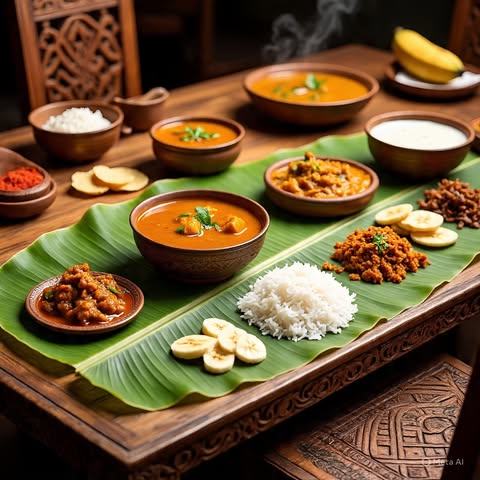
The Food section, often under the Tamil Foodies banner, celebrates home kitchens, messes and sweet stalls. We are less interested in “viral” food trends and more interested in recipes that carry family memory: the Pongal that must be stirred anti-clockwise on festival morning, the Tirunelveli halwa that a shop has been making for three generations, the “simple” rasam that kept a hostel student alive during exam season. Each recipe or profile tries to balance tradition with modern practicality — including substitutions for people cooking outside Tamil Nadu.
Editorial standards & trust
Accuracy matters. When we say a festival begins at a particular time, or a temple has a specific entry rule, we work to verify it with primary sources: official announcements, local boards, interviews with organisers. When we summarise another outlet’s reporting, we clearly name and link that outlet so credit is preserved and readers can go deeper at the source. If we ever get something wrong, we aim to correct it quickly and transparently, instead of quietly editing and pretending it never happened.
We also recognise that VividTamil occupies parts of the internet that can sometimes be considered “Your Money or Your Life” — especially when we talk about health, food safety, law, or personal wellbeing. To respect that responsibility, we distinguish clearly between cultural descriptions (“this is what many families believe or practice”) and evidence-backed advice (“this is what doctors or official bodies currently recommend”). When in doubt, we recommend that readers consult qualified professionals rather than treating our pages as a substitute for expert guidance.
Experience, expertise, authoritativeness and trust (E-E-A-T)
In search-engine language, the qualities of Experience, Expertise, Authoritativeness and Trustworthiness matter a great deal. In everyday language, this simply means that the people who write and edit what you read should know what they are talking about — and should be honest about the limits of that knowledge. VividTamil takes this seriously. When a piece is based on first-hand reporting, we say so: we name the reporter, location and date. When an article depends heavily on external sources, we list those sources and link to them. When a writer brings lived experience — as a street-food vendor, a theatre owner, a diaspora parent — we introduce them clearly so that you understand the perspective you are hearing.
Author bios and contact information are provided wherever possible, and guest contributors are not treated as anonymous content machines. They retain their voice, and they are invited to stay involved in updates and corrections. Over time, we hope this leads to a small but strong circle of voices that readers can recognise, trust and challenge with confidence.
How we verify and correct
Our verification workflow is simple but consistent. For reported pieces, we begin with primary material: interviews, on-site photographs, official pamphlets, notices posted at temples or theatres, and conversations with organisers. We cross-check claims with at least one additional source wherever practical. For example, if a festival’s timing is given by a local volunteer, we also look for the timing on the temple’s notice board or website. If there is uncertainty, we tell you — instead of smoothing it over.
When we publish, we keep an internal log of significant changes. If a core fact changes (say, a rescheduled event date), we add a short correction note to the article explaining what changed and when. Minor edits for clarity, spelling or spacing are handled quietly, but we avoid rewriting published history in a way that might confuse readers who saw an earlier version linked elsewhere.
Content types and expectations
Not every article serves the same purpose. Some pieces are strictly informational: a list of verified festival dates, a summary of a government announcement that affects Tamil Nadu, a straightforward recap of a music release. Others are interpretive and subjective: film reviews, opinion essays, memory pieces. On VividTamil, we try to make those boundaries visible. Where a piece is largely opinion, we lean into a personal voice and label it accordingly. Where a piece is informational, we keep the tone neutral and reference-driven, so that you can rely on it as a quick check before planning your day.
We give particular attention to pieces that might influence decisions: for example, coverage of street food, health-related customs, or travel to crowded festivals. In such cases, our writers describe what they saw, tasted and experienced, and we often link to health and safety guidelines for readers who want to go deeper before making choices for themselves or their families.
Contributors and community participation
VividTamil is not a closed club. While there is a core editorial and technical team, a significant part of our value comes from community contributions — short festival notes, neighbourhood portraits, small business stories, personal recollections of cinema halls or music launches. Contributors who send in such stories are asked for a short bio, a preferred name to be credited, and a way to contact them for follow-up questions. Where photos or recipes are shared, contributors confirm that they own the content or have explicit permission to share it.
Submissions arrive primarily through the Contribute page. Editors review each pitch for clarity, relevance and originality. Some ideas become quick blog posts; others grow into collaborative projects where multiple voices from the same town or diaspora community come together. Whenever a piece is published, we indicate whether it is staff-written, co-written or community-authored, so that the relationship between VividTamil and the story is transparent.
Advertising, sponsorship and transparency
To keep the site sustainable, we may use advertising, affiliate links or sponsorships in carefully limited ways. However, editorial text is never sold as hidden advertising. If a piece is sponsored, or if a product or service has been gifted for review, that information is clearly stated near the top or within the relevant section. We want readers to evaluate our work with full information about potential conflicts of interest.
We also link prominently to our Privacy Policy and Terms of Use, where we explain what analytics we use, how contact form entries are handled, and what behaviour is expected in comments or community spaces. These documents are updated periodically to reflect changes in tools, law and best practice.
Accessibility, performance and design
From the beginning, VividTamil has been built with the realities of Tamil internet access in mind. Not everyone is browsing on a new phone with unlimited data. Our pages are designed to be reasonably light, with images compressed for faster loading and careful use of animations. We test layouts on small screens and older devices. Text contrast, type size and spacing are chosen to support long-form reading, not just quick skimming.
Alt text is added to key images so that screen-reader users can follow along. We avoid hiding essential information inside images alone; instead, we pair visuals with descriptive captions or structured text. While our new dark glassmorphism design adds visual richness, it is layered over semantic HTML so that assistive technologies can still navigate the page logically.
For Tamil Nadu — and for Tamils everywhere
Ultimately, VividTamil belongs to a wide, scattered family: people living in Tamil Nadu, Tamils settled elsewhere in India, and those in the global diaspora who carry their language at different levels of fluency. Some of our readers grew up with handwritten lyric books and radio recordings; others discovered Tamil songs through streaming apps and subtitles. We try to speak to all of them, without diluting the texture of Tamil itself. That is why you will often see Tamil phrases threaded into English paragraphs, or parallel explanations in both languages.
If you see something missing — perhaps your town’s favourite theatre, a temple festival that meant a lot to your childhood, or a dish that deserves proper documentation — we invite you to tell us. This site is not finished; it is an evolving notebook. Every thoughtful correction, suggestion or contribution nudges it closer to the kind of archive Tamil culture deserves.
Last updated: October 25, 2026 — For corrections or suggestions about this page, please use the Contact form or write to info@vividtamil.com.