Why Tamil food matters — preserving a living culinary archive
Tamil food is a conversation between place, season and people. It is the small detail — a handful of freshly fried curry leaves, the tempering of mustard seeds, the exact ratio of jaggery to coconut — that marks a recipe as belonging to a neighbourhood, a family or an occasion. A plate of சாம்பார் சாதம் might look simple to an outsider, but to someone who grew up in Erode or Madurai, one spoonful is enough to say, “This is not my house; this belongs to a different river, a different soil, a different grandmother.”
On most websites, recipes are flattened into quick lists: measurements, method, serving size. Useful, yes — but incomplete. The deeper value lies in context: who prepared this dish, when it is eaten, what it signals about the community that loves it, and how it has shifted over decades of migration and climate change. VividTamil’s Foodies section exists to document context as carefully as we document measurements. A recipe on this page is both a set of instructions and a small piece of oral history.
Our editorial approach is intentionally careful and verifiable. For every recipe we publish we try to do at least one of the following: test the method in our own kitchens, speak with the family or vendor who provided it, or trace the dish through older cookbooks, festival menus and community memory. When we report vendor stories we gather location details, opening hours, price ranges and, wherever possible, a short interview with the person stirring the kadai or tending the coal stove. This makes each piece useful to someone planning a visit today and to a researcher or grandchild ten years from now.
The Foodies section is organised into four overlapping strands: Tested recipes with step-by-step instructions and ingredient notes; Vendor guides for trusted stalls, messes and bakeries; Sweets & festivals for ritual foods and seasonal favourites; and Oral histories that capture the voices of cooks, servers and regular customers. Each published item includes practical metadata: estimated cook time, rough budgets, scaling guidance for larger groups, and notes on allergies, storage and reheating.
Food writing today must also meet modern standards for reliability. When a recipe mentions a health belief — for example, that கஞ்சி soothes the stomach, or that certain கஷாயம் relieves a sore throat — we clearly identify that description as a cultural practice, not as formal medical advice. Where scientific or nutritional references are available from reliable bodies, we link or summarise them. We encourage readers to treat doctors, dietitians and official health resources as primary sources and our pages as cultural documentation.
Behind the scenes, we pay close attention to how recipes are formatted. Ingredients are listed in the order they are used; step numbers are clear; critical cues (such as “raw smell must fully disappear” or “mixture should reach one-string consistency”) are highlighted in plain language. Many readers follow recipes while juggling work, family and care responsibilities, so we try to be gentle with their attention instead of demanding a chef’s training. Where a step is likely to confuse, we add photographs or short video clips.
Another pillar of Tamil Foodies is respect for small vendors and home cooks. Much of Tamil cuisine lives outside formal restaurant menus — in push-carts near bus stands, in temple kitchens that serve prasadham, in the evening bajji kadais that appear and vanish with the rain. A single street seller’s special chutney can reveal trade routes, ingredient substitutions during hard years, or inventive responses to customer demand. We profile such vendors with care, noting their location, history and working conditions, and urging readers to approach them with patience and kindness, not as exotic “content” to be consumed.
Oral traditions are not uniform across Tamil Nadu. The same dish can appear in fifty forms across fifty towns. Instead of trying to crown one “authentic” version, we prefer to present variations side by side and explain how they differ. A particular payasam might be made with coconut milk in Thanjavur, cow’s milk in Coimbatore and a vegan substitute in Canada. All three belong in the archive as long as their origins are clearly tagged. This plural approach is honest and also liberating for young cooks who want to adapt recipes without feeling that they are betraying tradition.
We are equally deliberate with photography and sourcing. Many images are produced by the editorial team during field visits; others are contributed by home cooks and photographers who grant explicit permission. Captions identify locations and people wherever possible. When we adapt an older recipe from a published source, we credit the author and book instead of pretending it fell from the sky into our screenshot folder. Contributors are required to confirm that they own the content they submit or have permission to share it.
For readers who want to participate, the Submit a Recipe page is the gateway. There you can send family favourites, local vendor recommendations, festival menus or even “failed” recipes that come with a funny or touching story. Submissions are acknowledged, lightly edited for clarity and measured quantities, and reviewed for safety; approved items appear in this section with clear attribution and, where desired, links back to the contributor’s social handle or small business page.
Ultimately, the long-term dream is to build a searchable, bilingual archive of Tamil food: a place where a visitor can look up “Pongal” and see not one perfect hero shot, but a constellation of methods, memories and meanings. An archive where your grandmother’s handwriting is echoed in carefully typed instructions, and where your children can discover that the “fancy restaurant dish” they love is actually a cousin of something that has been cooked in your family for a hundred years.
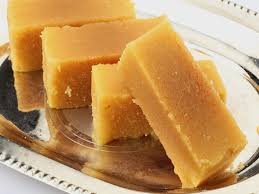
தமிழில்: இந்த Tamil Foodies பகுதி, சாதாரண recipe பட்டியல் அல்ல. எந்த ஊரின் பொங்கல் எப்படி வேறுபடுகிறது, எந்த மாமியார் மைசூர் பாக் என்ன அளவு நெய் சேர்க்கிறார்கள், எந்த street vendor என்ன ரகசிய சட்னி வைத்திருக்கிறார் — இவைதான் நாம் பதிவு செய்ய விருப்பம். உங்கள் குடும்ப உணவுக் குறிப்புகளை Submit a Recipe பக்கத்தில் பகிரலாம்.